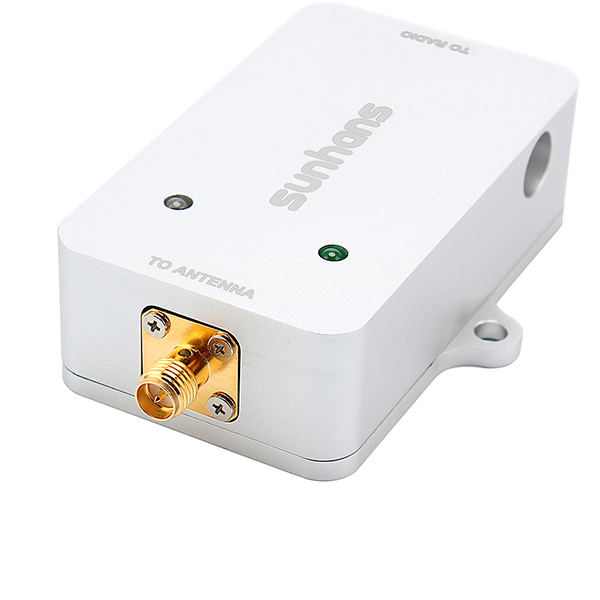
A high-power WiFi signal booster enhances modern high-speed wireless networks dramatically. Furthermore, premium RF amplification equipment complies with strict lead-free compliance standards. Network engineers deploy advanced signal extenders to overcome severe high-frequency attenuation.
Consequently, users maintain ultra-fast throughput without experiencing frustrating signal drops. In fact, powerful RF boosters unlock the true potential of next-generation wireless networks.
High-Frequency Bottlenecks in Modern Wi-Fi 7 Networks
Severe Signal Attenuation Through Thick Physical Walls
Wi-Fi 7 relies heavily on higher frequency bands for maximum throughput. However, 5GHz and 6GHz signals attenuate rapidly when passing through solid concrete walls. Consequently, coverage areas shrink drastically inside large modern buildings.
Dead Zones in High-Bandwidth Outdoor Applications
Long-range applications like UAV drone video feeds suffer from rapid signal degradation outdoors. Furthermore, distant IP surveillance cameras lose connection during high-definition video streaming. As a result, network operators face severe connection dead zones in expansive spaces.
Signal Instability Caused by Environmental Interference
Complex physical environments create severe multi-path signal distortion and interference. Thus, weak signals cause frequent packet loss and high latency spikes. Operators require dedicated RF amplifiers to boost signal stability over long distances.
High-Power RF Amplification Solutions for Wi-Fi 7
2000mW High Output Power and Low Noise Amplification
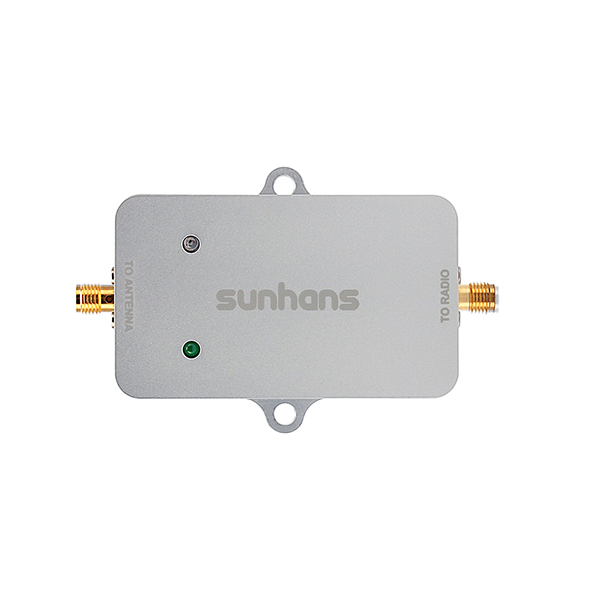
The Sunhans SH58Gi2000P 5.0-5.8GHz booster delivers massive 2000mW (33dBm) output power. Moreover, its low noise figure (≤3.5dB) prevents signal distortion during transmission.
It boosts signal strength up to 20 times for high-demand networks. Explore complete wireless hardware inside our product category now!
Advanced TDD Mode and Ultra-Compact Design
This booster uses Time Division Duplexing (TDD) for bi-directional signal amplification. Furthermore, its lightweight 110g aluminum casing operates in extreme temperatures from -20°C to +70°C.
Engineers install this compact unit easily in drones, smart homes, and IP cameras. Read full system setup steps in our technical guide today!
Plug-and-Play Installation with Full Accessories
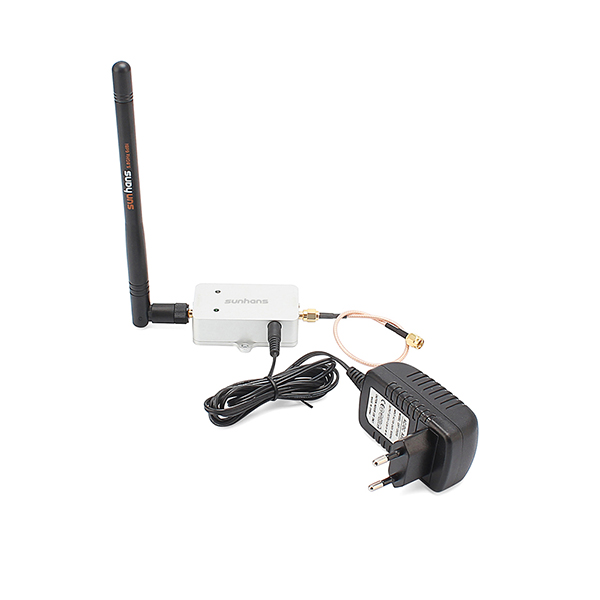
The package includes an omni antenna, RG316 feeder cable, and power adapter. Consequently, technicians connect the unit to existing radio equipment without complex adjustments.
In addition, global voltage support (100-240V) ensures versatile deployment in any location. Discover our full line of network amplifiers in our product category today!
Technical Specification and Product Comparison
| Hardware Parameter | Standard WiFi Extender | Sunhans SH58Gi2000P Booster |
| Operating Frequency | Dual-Band Consumer | 5000 ~ 5875 MHz (5.0-5.8GHz) |
| Output Power | Standard 100mW (20dBm) | 2000mW (33dBm) High Power |
| Transmit / Receive Gain | Integrated Internal | Transmit: 15-18dB / Receive: 11-14dB |
| Noise Figure | Standard Noise Level | ≤3.5 dB Ultra-Low Noise |
| Operating Temperature | 0°C to +40°C | -20°C to +70°C Commercial Grade |
| Safety Certification | Basic Standard | CE / FCC / RoHS Lead-Free Compliant |
Elevating Wi-Fi 7 Wireless Range Today
In conclusion, pairing a WiFi signal booster with Wi-Fi 7 networks solves range limitations effortlessly. High output power, low noise amplification, and durable design ensure reliable long-distance connectivity.
Consequently, high-power boosters eliminate dead zones while keeping data speeds ultra-fast. Upgrade your wireless network infrastructure with our powerful RF solutions today!