During an FPV flight, clear video helps pilots judge turns, distance, and obstacles. However, picture breakup and delayed control feedback can interrupt an otherwise smooth flight. A drone signal booster can improve a compatible 5.8GHz wireless link through RF amplification. Still, antenna placement, interference, and line of sight remain important.
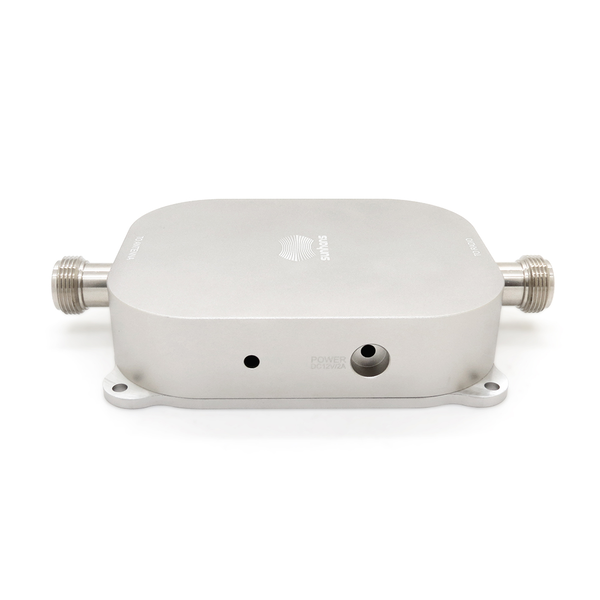
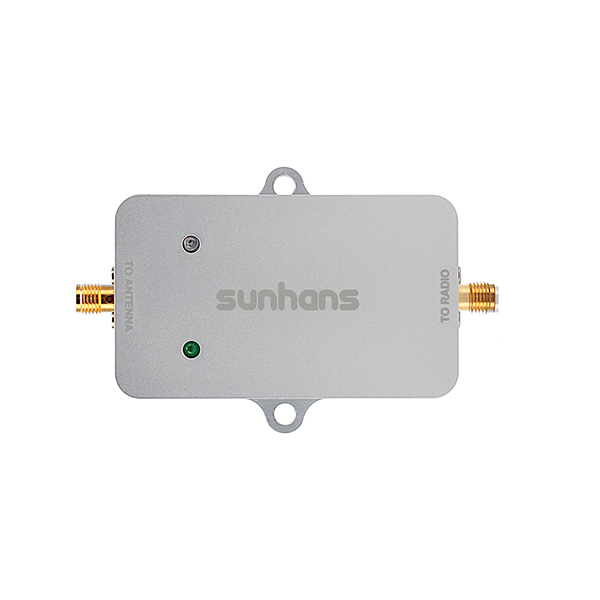
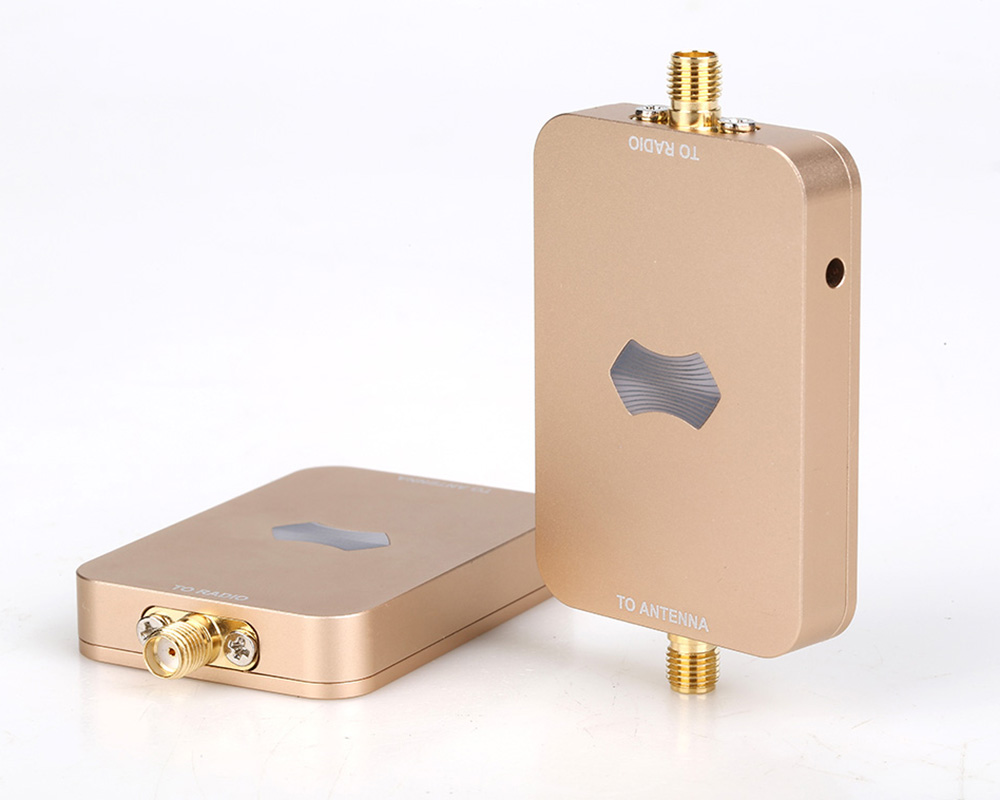
The Sunhans eSunRC 2000mW 5.8GHz WiFi Signal Booster targets drone, UAV, and RC communication systems. Its compact design suits projects that need additional link performance without bulky hardware.
Why Does Your FPV Video Break Up During Flight?
Diagnose the link before adding amplification
Imagine flying across an open field. The video looks clear near the launch point, but becomes unstable farther away. Several factors could explain this change.
Distance reduces received signal strength. Trees, buildings, and terrain can also obstruct the radio path. Meanwhile, nearby transmitters may introduce interference.
First, inspect antenna orientation and connector condition. Next, check the radio’s frequency settings and existing cable losses. Finally, repeat the test in a clear area.
A signal booster may help when insufficient link margin causes the problem. However, it cannot remove every source of interference or restore a completely obstructed radio path.
For industrial inspection teams, this diagnostic process is especially useful. It helps separate coverage limitations from antenna or system configuration issues.
How Can a 5.8GHz Booster Support Two-Way Communication?
Match amplification to the complete RF path
An FPV link involves more than the video transmitter. Depending on the system design, it may also carry control information and return signals.
The Sunhans eSunRC supports bidirectional, half-duplex amplification. It switches between receiving and transmitting modes as the radio system communicates. Its transmit gain reaches 15–18 dB, with output up to 2000 mW (33 dBm). Receiver gain reaches up to 12 dB.
These capabilities can improve link performance when the existing radio chain benefits from amplification. Nevertheless, the installation point matters. Buyers should confirm the signal path, antenna connections, and radio compatibility before integration.
For example, an FPV pilot may need better communication across an open flying area. An inspection operator may need a suitable setup for surveying large sites. In both cases, the complete system determines the result.
Review the signal booster product range to compare options for different wireless applications.
Which Hardware Details Matter During Installation?
Check connectors, power, and heat management
Even a suitable amplifier needs correct installation. Connector mismatches, poor cables, and unsuitable power supplies can affect performance.
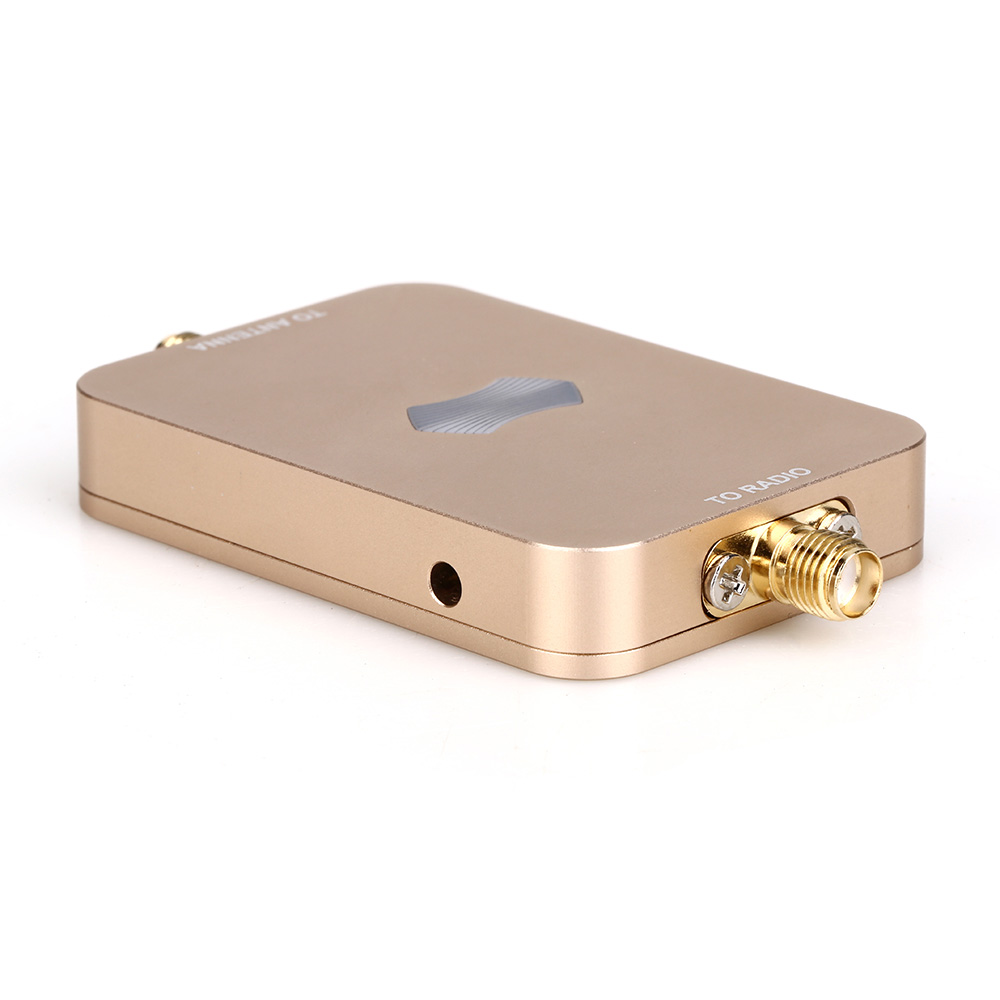
The eSunRC weighs 46 g and measures 7.3 × 3.8 × 1 cm. Its aluminum housing supports heat dissipation. The compact format can help when space and equipment weight matter.
Before ordering, check the following details:
-
Frequency: The operating range covers 5.0–5.875 GHz.
-
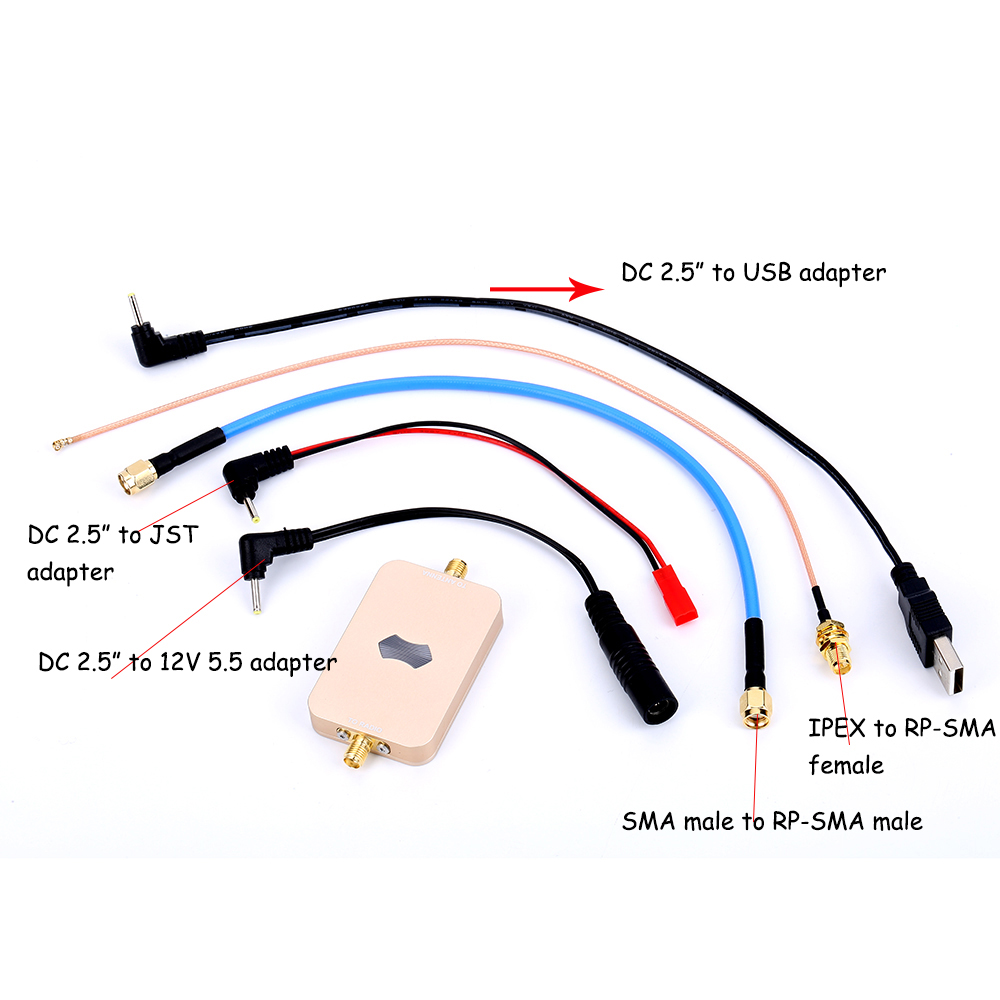
Connectors: Confirm SMA and RP-SMA interfaces against your equipment.
-
Power supply: The specified input is 5–16 V DC at 2 A.
-
Operating environment: The rated temperature range is −20°C to +70°C.
-
Integration: Confirm antenna position, cable length, mounting, and ventilation.
The product requires no software configuration for basic plug-and-play integration. However, system compatibility still needs verification. A technically suitable amplifier may require different cables or mounting arrangements across applications.
How Should B2B Buyers Compare Signal Boosters?
A distributor, drone integrator, and industrial equipment supplier may have different priorities. Therefore, procurement should consider more than maximum output power.
| Evaluation point | Sunhans eSunRC specification | Buyer consideration |
|---|---|---|
| Frequency range | 5.0–5.875 GHz | Confirm radio compatibility |
| Maximum output | 2000 mW / 33 dBm | Check permitted output limits |
| Transmit gain | 15–18 dB | Assess the existing link budget |
| Receiver gain | Up to 12 dB | Confirm receiving-path requirements |
| Noise figure | Typically ≤3.5 dB | Consider receiver sensitivity |
| Housing | Aluminum | Assess heat dissipation and durability |
| Compliance | CE, FCC, and RoHS claims | Request applicable documentation |
| Support | 1-year warranty; OEM/ODM available | Confirm service and customization terms |
For commercial buyers, stable quality and reasonable total cost matter together. Confirm the test conditions behind performance claims. Also, review warranty coverage, spare-part availability, and technical documentation.
Regulatory limits vary by market. For example, China’s MIIT guidance specifies power limits for 5.725–5.850 GHz equipment and restricts unauthorized external RF amplifiers on covered devices. Therefore, verify local rules before deployment.
How Can You Choose a Booster for Your Application?
Start with the problem you need to solve. If the link already performs well nearby but loses margin at distance, review antenna placement and signal levels first. Then determine whether amplification suits the system.
For drone brands and wireless equipment distributors, customization can also simplify integration. Sunhans offers OEM/ODM support and multilingual documentation. Buyers can discuss connectors, power arrangements, and intended applications before placing larger orders.
Explore the technical guide for further system-planning information. Then contact Sunhans to discuss project requirements and suitable configurations.
Questions Buyers Often Ask
Q1:Will a drone signal booster guarantee longer FPV range?
No. Range depends on antennas, obstructions, interference, radio settings, and permitted transmit power. A booster can improve link margin when amplification addresses the actual limitation.
Q2:Can the eSunRC work with different drone systems?
It supports compatible 5.8GHz RF applications. However, buyers should verify frequency, connectors, power, and signal-path requirements before installation.
Q3:Is the product suitable for OEM and wholesale orders?
The product listing includes OEM/ODM support and a 1-year warranty. Commercial buyers should confirm customization scope, order quantities, documentation, and service arrangements with the supplier.
Q4:What should I check before purchasing?
Confirm your operating frequency, existing antennas, cable interfaces, power supply, and local regulations. Then contact Sunhans to discuss compatibility and request a suitable solution.