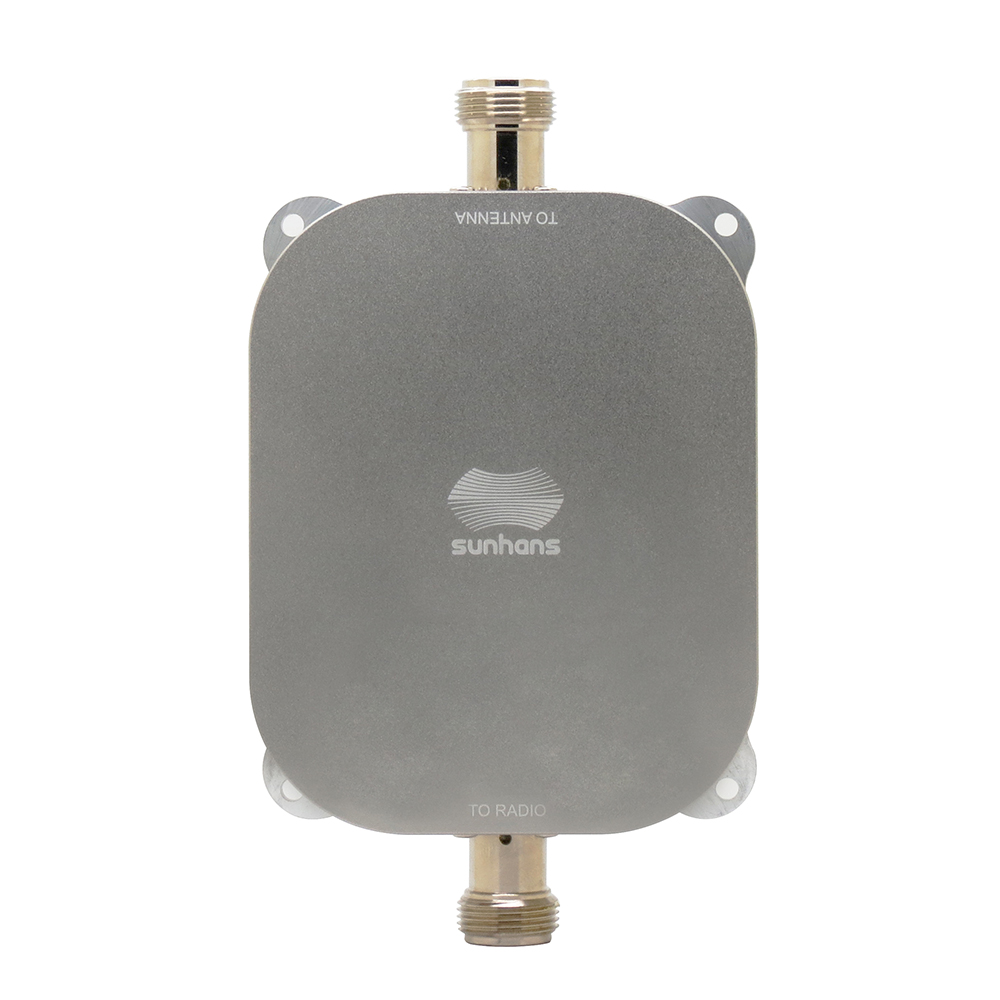
A weak wireless link can interrupt drone control, outdoor surveillance, or remote equipment monitoring. A Sunhans signal booster uses radio frequency (RF) amplification to improve compatible wireless links. It supports both 2.4GHz and 5.8GHz systems. Therefore, users can address different connectivity needs with one dual-band solution.
The Sunhans eSunRC 4000mW dual-band WiFi booster targets RC equipment, drones, and wireless applications. However, better connectivity depends on more than output power. Installation, antenna design, and frequency selection also influence results.
Why Does Your WiFi Connection Weaken Outside?
Identify the source before upgrading equipment
Imagine monitoring security cameras across a warehouse yard. The connection works near the building, yet becomes unstable beside a distant storage area. Alternatively, a drone operator may notice weaker connectivity during outdoor flights.
Distance can reduce received signal strength. Meanwhile, walls, metal structures, and terrain can obstruct radio paths. Nearby wireless equipment may also introduce interference.
Before purchasing an amplifier, inspect antenna placement and cable connections. Then check signal strength at different locations. This process helps determine whether amplification addresses the actual limitation.
Frequency choice also matters. In general, 2.4GHz WiFi offers broader reach through obstacles. By contrast, 5GHz systems can support higher throughput over shorter distances. Actual results depend on equipment, channel conditions, and the surrounding environment.
What Makes Dual-Band Amplification Useful?
Match the frequency to the task
Different wireless applications have different priorities. Remote monitoring may value broader coverage across a property. Meanwhile, a compatible RC system may prioritize responsive communication within its operating environment.
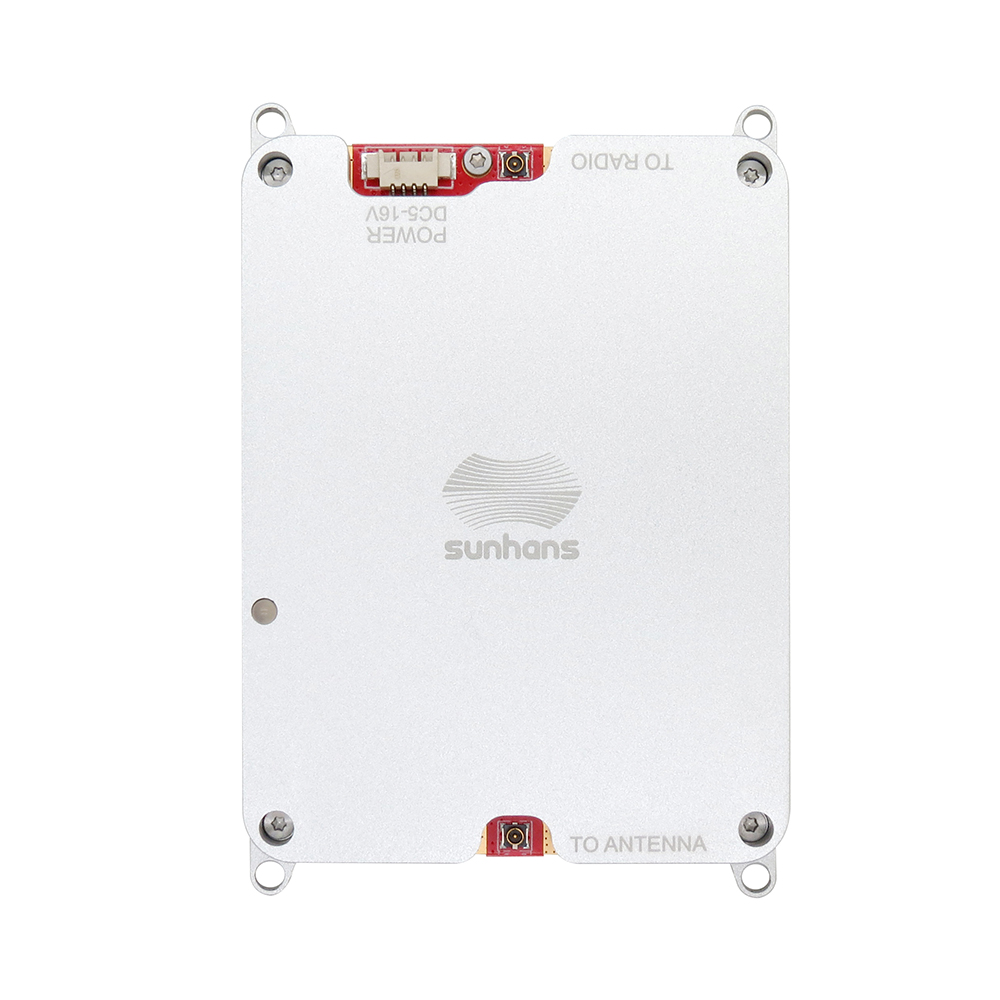
The Sunhans eSunRC supports 2.4–2.5GHz and 5.0–5.8GHz. It also supports automatic frequency switching in compatible systems. This design helps users work across supported frequency bands without choosing a single-band amplifier.
However, a booster does not convert a 2.4GHz radio into a 5.8GHz radio. The connected equipment must already support the required frequency. Buyers should also confirm the radio’s switching behavior and antenna compatibility.
The unit supports bidirectional, half-duplex operation. It amplifies transmitting and receiving signals through the appropriate signal path. Consequently, both ends of the connection and their configurations deserve attention.
For example, an outdoor RC operator may need to improve a compatible ground-radio link. An installer may instead integrate an amplifier into a wireless equipment setup. The correct arrangement depends on the device and system architecture.
How Should You Install a Sunhans Signal Booster?
Check placement, cabling, and power first
A suitable amplifier still needs correct installation. Poor cable connections or mismatched antennas can limit the benefits. Likewise, unsuitable power supplies can affect operation.
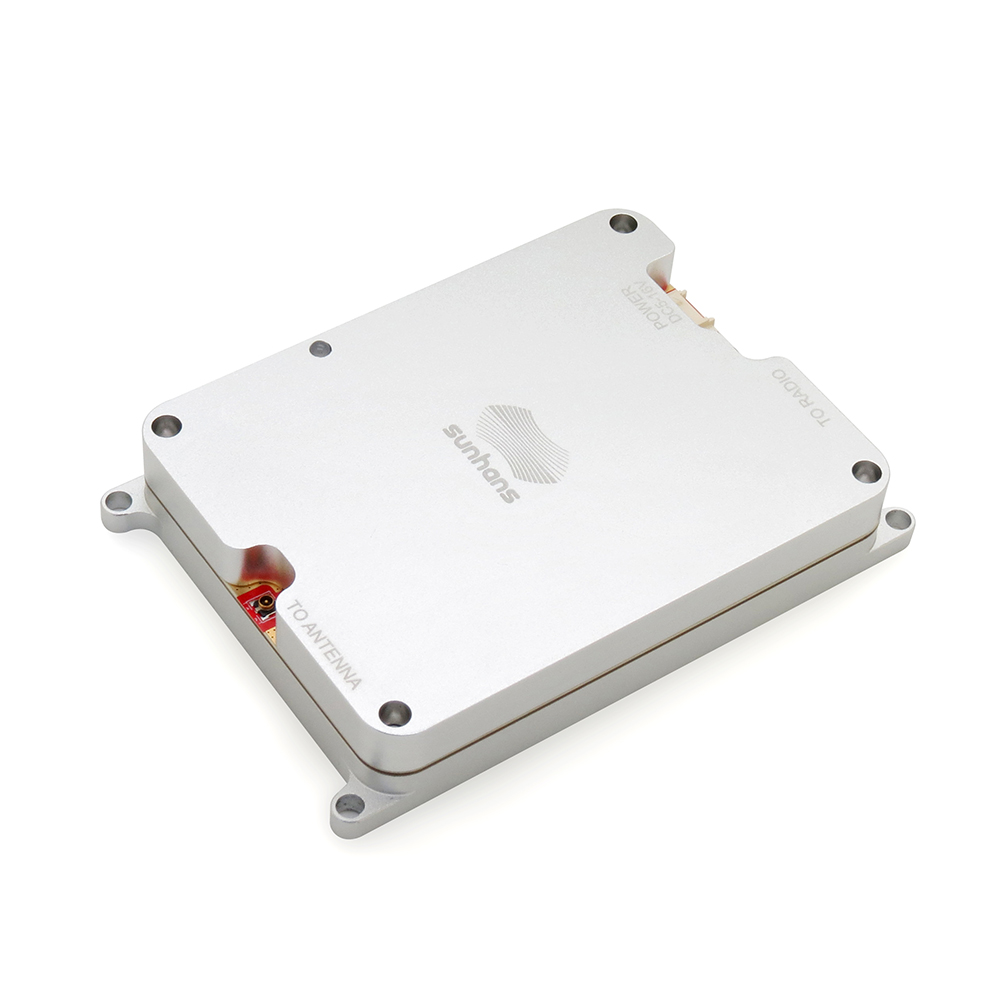
The eSunRC uses a CNC-machined aluminum housing. Its compact body measures 9.4 × 6.3 × 1.7cm. It weighs 143g, making dimensions and mounting arrangements important during system integration.
For outdoor security installations, consider enclosure protection and ventilation. For RC equipment, verify where the amplifier belongs in the radio chain. Do not assume that every setup requires mounting the unit directly on a drone.
The product supports 5–16V DC input. Its listed operating temperature ranges from −20°C to +70°C. Dual LEDs indicate power and activity status, helping technicians check basic operating conditions.
Before switching on the equipment, confirm every connector and cable. Follow the supplier’s installation instructions and applicable RF regulations.
Which Specifications Matter Most to Buyers?
The highest output rating does not automatically deliver the best connection. Instead, assess output power alongside receive performance, noise figure, compatibility, and integration requirements.
The Sunhans eSunRC provides up to 4000mW output, equivalent to 36dBm. Its listed transmit gain reaches 16–19dB, while receiver gain reaches 10dB. The typical noise figure is specified at ≤3.5dB.
| Evaluation point | Sunhans eSunRC specification | Why buyers should check |
|---|---|---|
| Frequency range | 2.4–2.5GHz; 5.0–5.8GHz | Confirms band compatibility |
| Maximum output | 4000mW / 36dBm | Helps assess RF system requirements |
| Transmit gain | 16–19dB | Supports link-budget evaluation |
| Receive gain | 10dB | Matters for the return signal path |
| Noise figure | Typically ≤3.5dB | Helps evaluate receiver performance |
| Input voltage | 5–16V DC | Confirms power compatibility |
| Housing | CNC-machined aluminum | Supports heat dissipation |
| Weight and size | 143g; 9.4 × 6.3 × 1.7cm | Helps plan mounting and integration |
For commercial buyers, consistent product quality and reasonable ownership costs matter together. Check specifications against actual operating needs. Also, request applicable compliance documents before deployment.
How Can Distributors Choose a Cost-Effective Solution?
A distributor may serve drone users, security installers, and RC equipment buyers. Each group has different installation needs. Therefore, product fit matters more than a single headline specification.
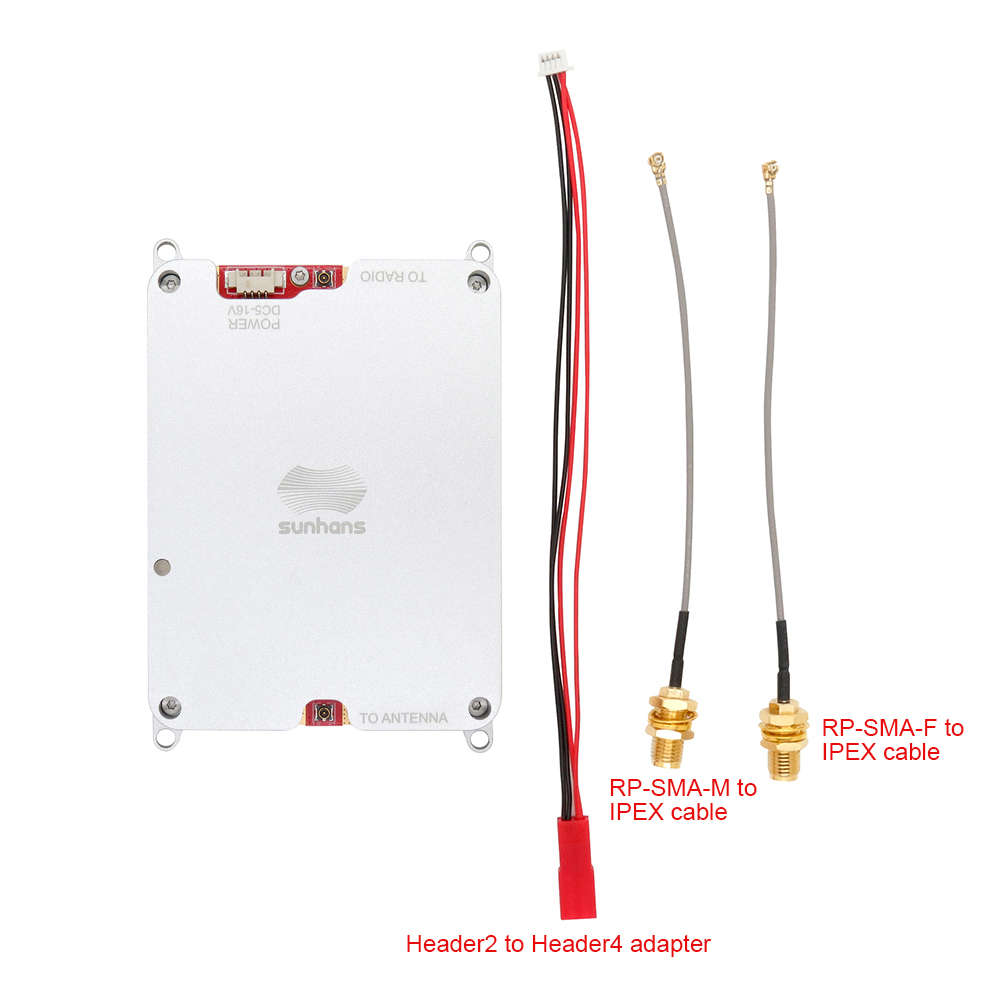
For wholesale purchasing, confirm the supplied cables and adapters. Ask about technical support, warranty terms, documentation, and delivery arrangements. Also, verify local power limits before using a high-output amplifier.
A well-matched solution can help reduce integration work. It can also support clearer product recommendations for different customer groups. Explore the Sunhans product range to review related amplification options.
For more installation guidance, visit the technical guide. Then contact Sunhans to discuss compatibility and your project requirements.
Questions Buyers Often Ask
Q1:Can a Sunhans signal booster improve both frequency bands?
It supports compatible 2.4GHz and 5.8GHz systems with automatic frequency switching. However, results depend on the connected radio, antenna, and installation.
Q2:Will a 4000mW output guarantee longer WiFi range?
No. Actual range depends on obstacles, interference, antenna performance, and receiver sensitivity. Amplification helps when insufficient link margin causes the limitation.
Q3:Is the eSunRC suitable for commercial projects?
Its listed applications include drones, RC equipment, and wireless connectivity projects. Buyers should verify system compatibility and local RF requirements before purchasing.
Q4:What should I confirm before placing a wholesale order?
Check frequency coverage, connectors, power input, and installation requirements. Also, request current compliance documentation and confirm warranty and technical support terms. Contact Sunhans to discuss your application and identify a suitable dual-band WiFi amplification solution.