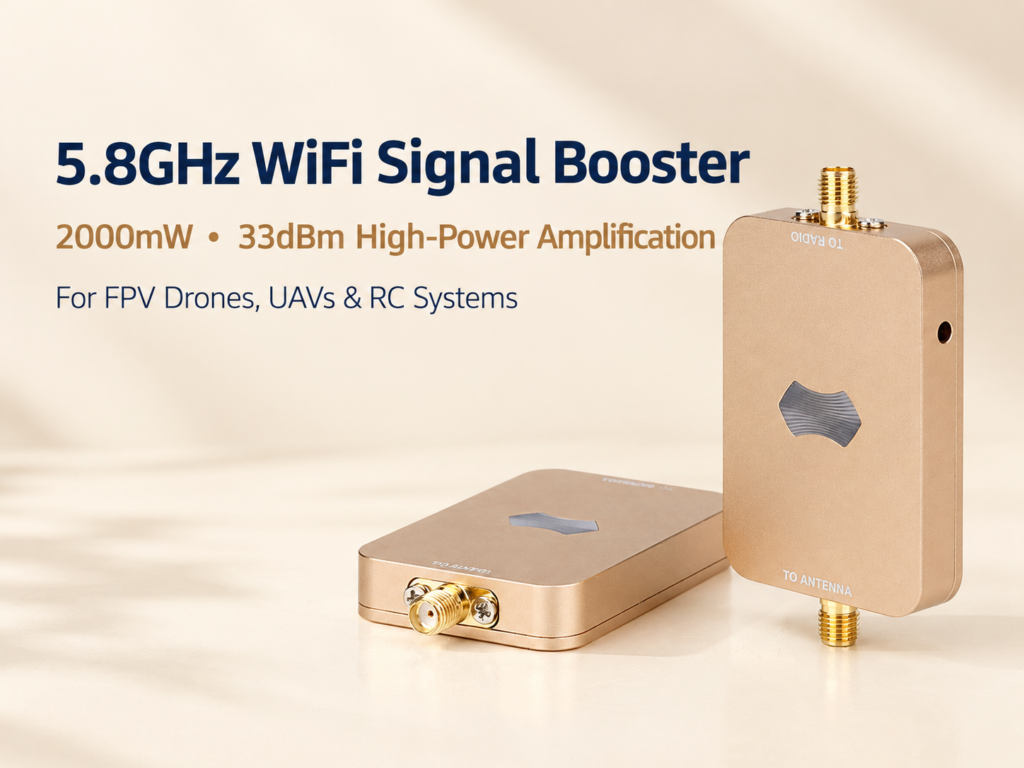
A reliable drone extender and signal booster helps improve wireless communication during extended flights. For commercial drone operators, stable links support safer operations and smoother FPV experiences. Moreover, modern signal amplification offers practical solutions for different flight environments. With CE, FCC, and RoHS compliance, buyers can also consider product quality and market requirements.
However, choosing suitable amplification equipment requires more than checking output power. Antenna compatibility, installation, signal conditions, and operating environments all matter. So, how can a drone extender and signal booster improve flight range?
Why Does Drone Signal Strength Matter During Long-Range Flights?
Long-distance flights often introduce additional communication challenges. For example, agricultural surveys and aerial inspections require drones to cover larger areas. Meanwhile, buildings, terrain, and other wireless devices may affect signal transmission.
Q: How does a drone extender and signal booster help?
A: It improves the available communication link.
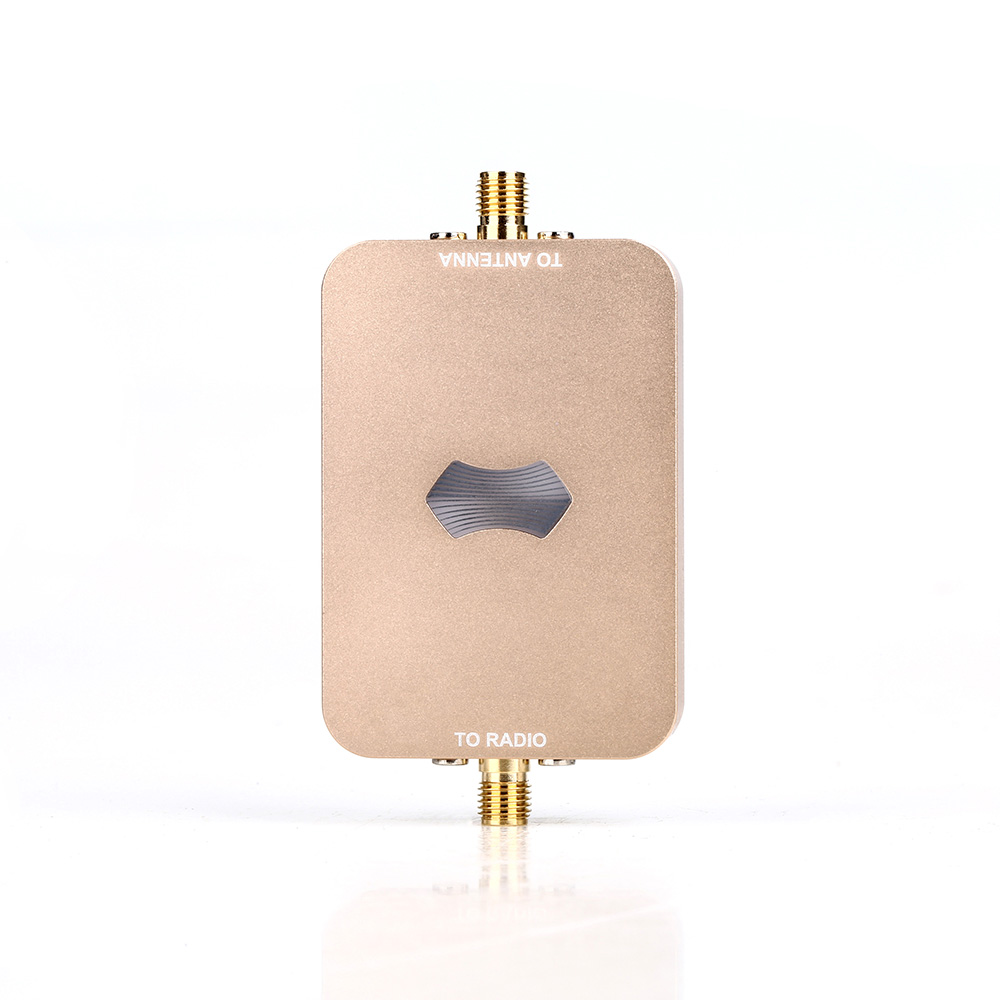
A signal booster amplifies wireless signals between the controller and drone. Consequently, operators can achieve more consistent communication under suitable conditions.
The Sunhans eSunRC provides up to 3000 milliwatts output power. Its 35 dBm output supports 2.4 GHz communication systems. Additionally, its 15–18 dB gain helps strengthen the wireless link.
However, actual flight range depends on several factors. Antenna direction, local interference, and regulatory power limits also matter. Therefore, operators should evaluate the complete communication system.
How Can a Drone Signal Booster Improve FPV Performance?
FPV applications require consistent signal transmission. Professional users often need clear feedback during aerial photography and inspection tasks. Furthermore, stable communication helps operators maintain better control awareness.
Q: Can a drone extender and signal booster support smoother FPV transmission?
A: Its amplification and low-noise design help maintain signal quality.
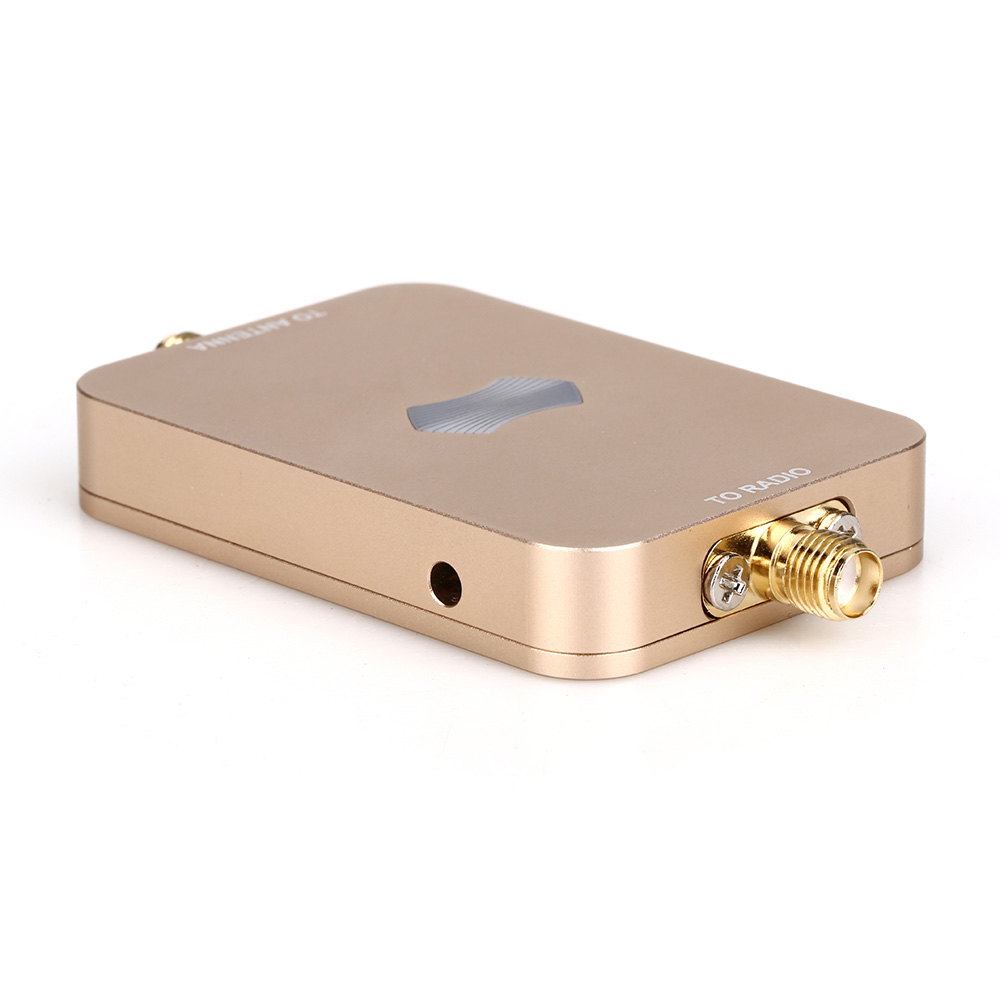
The eSunRC combines a high-power amplifier with a low-noise receiver. Its receiver noise figure reaches approximately 3.5 dB. This design helps manage signal reception in demanding environments.
Moreover, the aluminum housing provides electromagnetic interference shielding. As a result, the device supports practical use across different RC applications.
For commercial buyers, consistent performance matters beyond individual flights. A dependable product can also support customer satisfaction and repeat orders.
Which Drone Signal Amplifier Works Across Different RC Platforms?
Drone distributors and equipment integrators often serve different customer groups. Therefore, compatibility can influence purchasing decisions and inventory management.
Q: Does one drone signal amplifier support multiple drone platforms?
A: Flexible connections simplify system integration.
The Sunhans eSunRC supports several mainstream RC platforms. These include DJI, Yuneec, XIRO, 3DR, and Parrot systems.
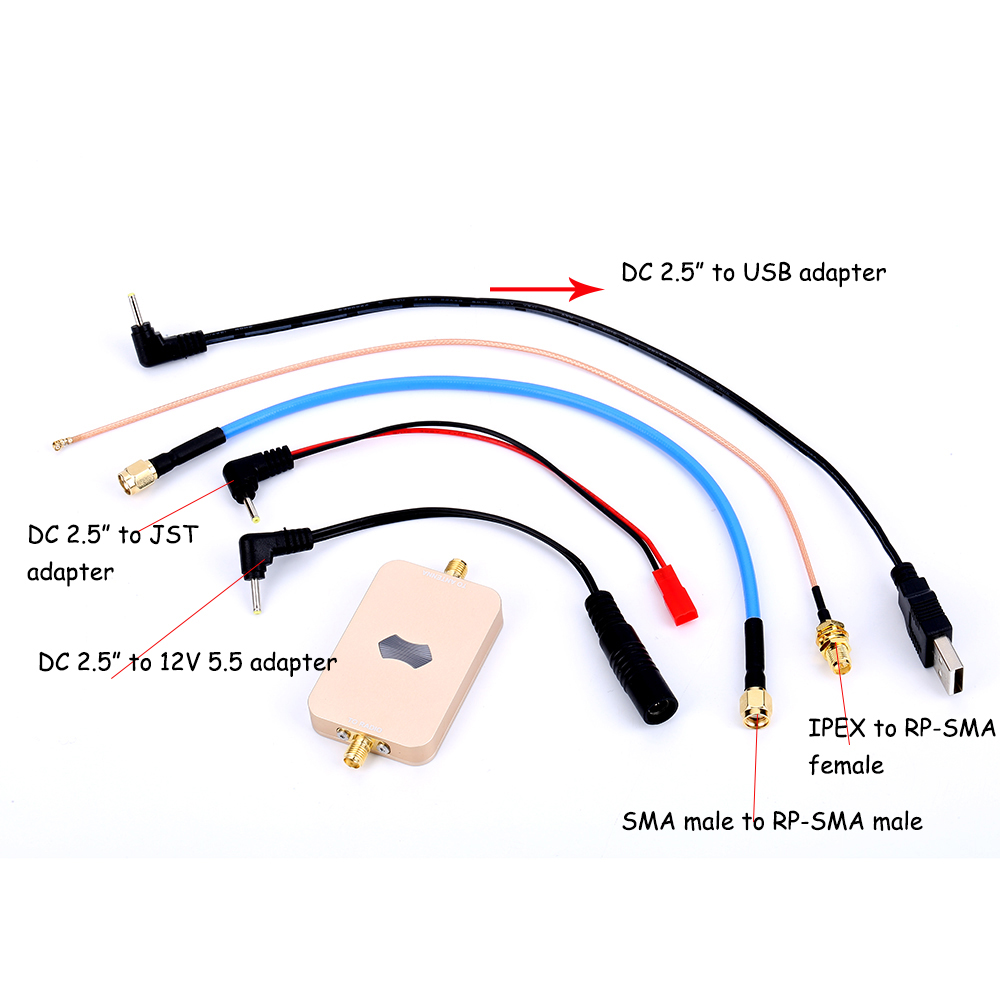
It also offers SMA and RP-SMA connector options. Additionally, its 5–16 V DC input supports different installation requirements.
The package includes adapter cables and mounting Velcro. Therefore, integrators can simplify installation without complicated software configuration.
Typical connection setup:
Controller → Signal Booster → External Antenna → Drone Communication Link
Before installation, buyers should confirm connector types and frequency compatibility. They should also check the controller’s power supply and antenna specifications.
What Makes a Drone Extender Suitable for Outdoor Operations?
Outdoor applications expose electronic equipment to changing conditions. For instance, inspection teams may operate in dusty locations. Meanwhile, agricultural users may encounter temperature and humidity changes.
Q: Can a drone extender and signal booster handle demanding environments?
A: Durable construction supports long-term commercial applications.
The eSunRC features a CNC-machined aluminum housing. This structure provides mechanical protection and electromagnetic shielding.
Its IP67-rated enclosure supports protection against dust and water ingress. Furthermore, its operating temperature ranges from -20°C to +70°C.
The compact design also benefits portable equipment setups. At approximately 46 grams, it adds limited weight to the controller assembly.
For distributors, durable construction can help reduce maintenance concerns. It also provides a practical selling point for professional drone equipment markets.
How Should B2B Buyers Evaluate Drone Signal Boosters?
Wholesale buyers should consider more than the initial purchase price. Product consistency, certification, compatibility, and technical support also influence overall purchasing value.
Q: What should distributors check before placing bulk orders?
A: Evaluate specifications, quality, and supplier support together.
The following table summarizes the eSunRC’s main purchasing considerations.
| Evaluation Item | Sunhans eSunRC Specifications |
|---|---|
| Frequency | 2.4 GHz |
| Maximum output power | 3000 mW |
| Output power rating | 35 dBm |
| Signal gain | 15–18 dB |
| Receiver noise figure | ≤3.5 dB |
| Input voltage | 5–16 V DC |
| Connectors | SMA / RP-SMA |
| Housing | CNC aluminum |
| Protection rating | IP67 |
| Operating temperature | -20°C to +70°C |
| Weight | 46 g |
| Compliance | CE / FCC / RoHS |
| Customization | OEM / ODM |
| Warranty | 1-year limited warranty |
These specifications provide a useful reference for supplier evaluation. However, buyers should also verify applicable regional radio regulations.
For businesses developing complete drone communication solutions, product compatibility and stable supply deserve attention. Meanwhile, OEM and ODM services offer additional flexibility for different market requirements.
Is a Compact Drone Signal Booster a Cost-Effective Investment?
Commercial buyers often balance product performance with procurement costs. However, the lowest purchase price does not always represent the best overall value.
Q: Why consider the Sunhans eSunRC for wholesale purchasing?
A: It combines practical performance with integration flexibility.
The eSunRC combines compact dimensions with high-power amplification. Its 7.3 x 3.8 x 1 cm body suits portable controller installations.
Additionally, its aluminum construction supports durability. Its connector options also simplify integration across compatible systems.
For distributors, these features create several commercial advantages:
- Broad compatibility across supported RC platforms.
- Compact dimensions for portable equipment.
- Durable housing for outdoor applications.
- Flexible connectors for different installations.
- OEM and ODM support for customized orders.
- CE, FCC, and RoHS compliance documentation.
Together, these features offer a balanced solution for professional buyers. They also support competitive product positioning across different distribution channels.
Choose a Reliable Drone Extender and Signal Booster Supplier
A suitable drone extender and signal booster can improve wireless link performance. However, successful deployment also requires proper antennas and installation. Therefore, buyers should evaluate the entire communication system.
The Sunhans eSunRC 3000mW signal booster offers compact construction and flexible integration. It also combines high-power amplification with a low-noise receiver. For drone distributors and equipment manufacturers, these features provide practical purchasing value.
Looking for a reliable supplier for your next project? Contact Sunhans to discuss wholesale pricing, OEM customization, and technical support.